

Large-scale clothing customization is easier to manage when one experienced partner connects design, sourcing, sampling, production follow-up, quality checks, and export preparation. Instead of asking one factory to handle every garment, fabric, print method, trim, and packing detail, a clothing customization trading company coordinates the right production resources for the full order. This service is built for brands, teams, distributors, and corporate buyers that need custom apparel made in China with clearer communication and a more controlled process.
Why choose a clothing customization trading company instead of a factory?
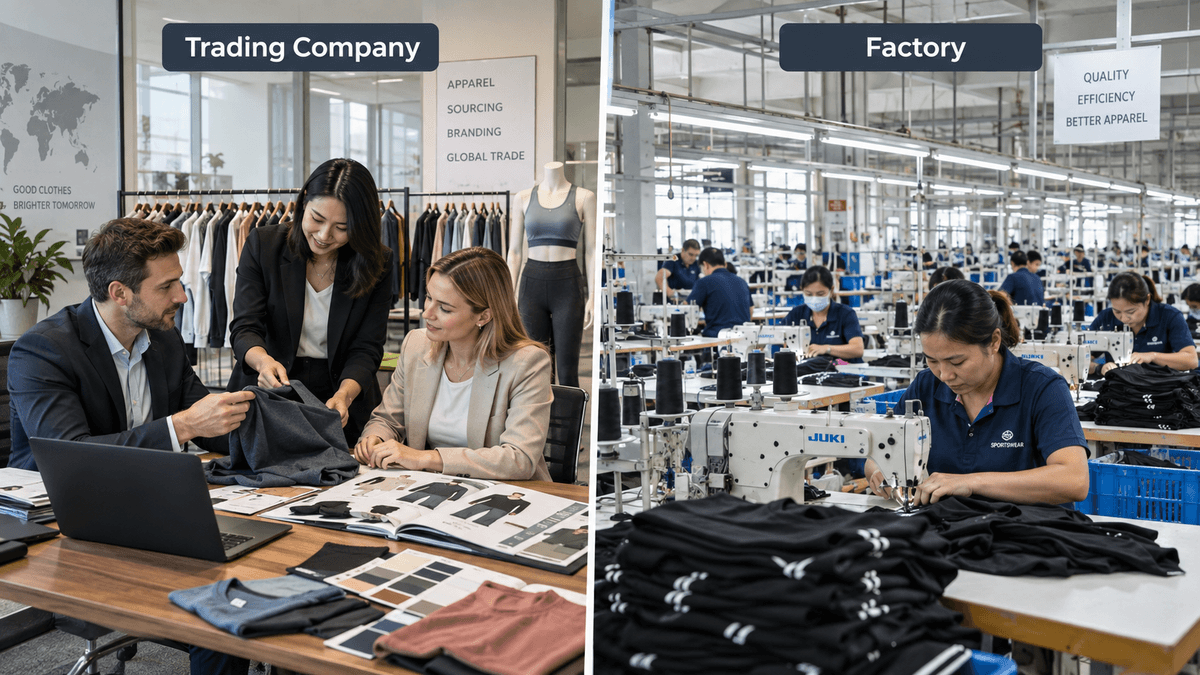
Choose a clothing customization trading company when your project includes multiple product types, technical details, changing quantities, or strict delivery expectations. A single factory may be excellent at one category, such as fleece hoodies, compression wear, sports shorts, or team pants, but large-scale customization often requires several specialist suppliers working together. A trading company acts as your sourcing and production management desk, helping translate your design idea into workable materials, samples, cost options, factory assignments, inspection steps, and shipping-ready goods.
This matters when you are comparing factories in china for athletic wear and discovering that each one has different machinery, fabric access, minimum order preferences, and communication habits. The trading company does not replace manufacturing skill; it organizes it. For buyers, that can mean fewer disconnected conversations, fewer mismatched samples, and a more practical path from concept to bulk order.
One partner for complete custom apparel productio
Large orders rarely involve only one simple garment. A sportswear launch may include training tops, running shorts, warm-up hoodies, masks, team pants, and branded packaging. A promotional program may need several sizes, colorways, decoration methods, and delivery batches. Managing all of that through separate factories can become slow and confusing, especially when one delay affects the rest of the order.
Our clothing customization service brings those moving parts together. You can develop a single product or a coordinated apparel range while keeping communication centralized.
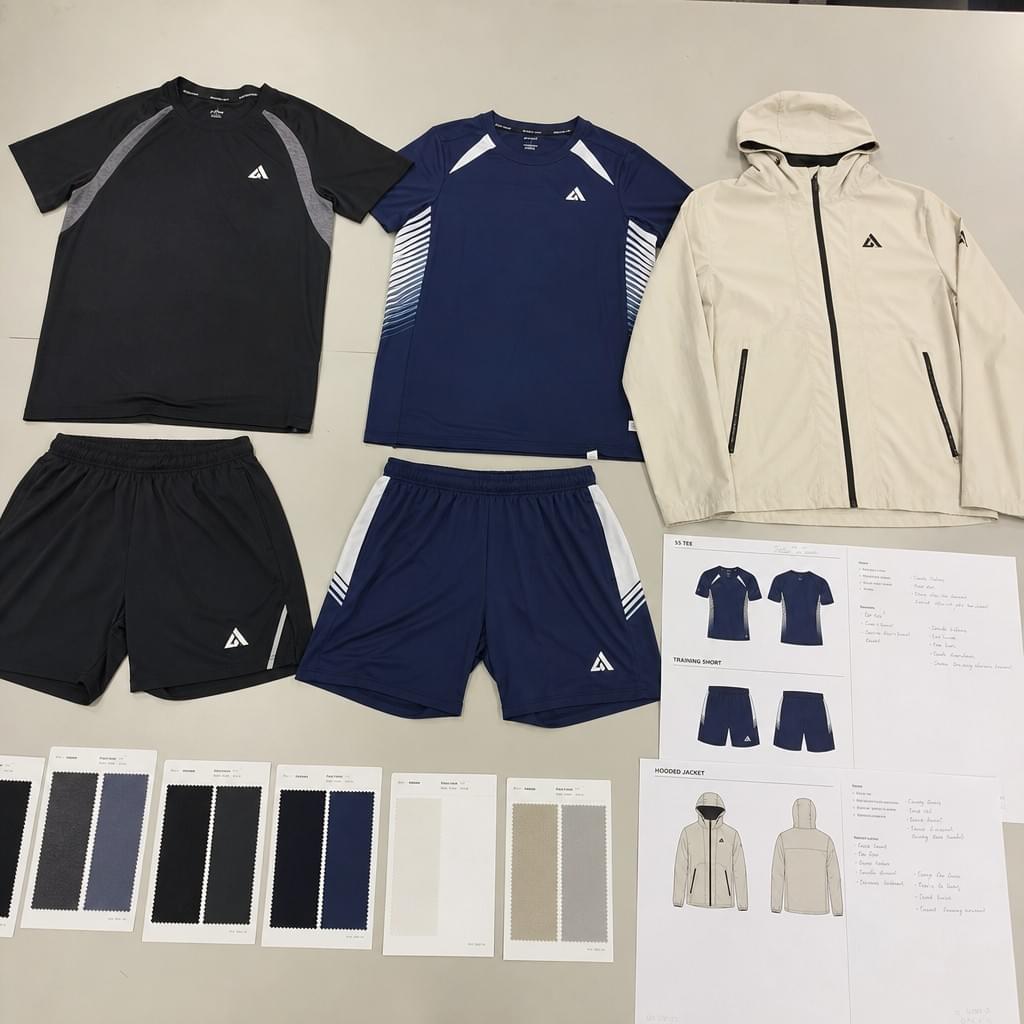
Typical projects include:
- Performance apparel for gyms, clubs, school teams, and online sportswear brands.
- OEM and private-label sportswear, including work with a 2-in-1 shorts oem manufacturer when the design requires inner lining, waistband construction, pockets, and stretch fabric coordination.
- Branded sets such as a custom hoodie and face mask for corporate merchandise, events, team travel, or seasonal promotions.
- Custom uniforms and team bottoms, including custom mens softball pants with requested fit, color blocking, belt loops, piping, or logo placement.
- Lifestyle and training collections inspired by chinese brand sportswear trends, with coordinated fabrics, colors, and packaging.
- Bulk custom apparel programs that need sourcing, sample control, factory matching, and production updates in one workflow.
Built for buyers who need more than a basic factory quote
A factory quote usually starts with a product, a quantity, and a target material. That can work when your specification is already complete and you know exactly which factory type you need. Many buyers, however, are still refining the design, deciding between fabrics, comparing print and embroidery options, or building a product line across several categories.
A trading-company model is especially useful when you need help making decisions before production begins. The service supports practical choices: whether a hoodie should use a heavier fleece or a lighter French terry, whether sports shorts need mesh lining or compression lining, whether team pants should prioritize stretch or structure, and whether your logo is better suited for embroidery, heat transfer, woven patch, or screen print.
It is also useful when the buyer wants China-based manufacturing capacity without managing every supplier directly. Instead of searching separately for a custom sportswear manufacturer, a trim supplier, a packaging vendor, and an inspection contact, you work with one team that coordinates the chain.
Product development from concept to approved sample
Strong bulk production begins before the order is placed. A clear development process reduces guesswork, helps factories understand your expectations, and gives you a sample to approve before large-scale manufacturing starts. The goal is not only to make a garment that looks good in photos, but to create something that can be repeated consistently across sizes, colors, and production batches.
Our sample development process can include:
- Project review: Share your garment idea, reference images, size range, target market, expected quantity, branding needs, and packaging preferences.
- Specification planning: Define fabric type, weight direction, stretch requirement, lining, trims, stitching details, label placement, and decoration method.
- Factory matching: Match the garment with suitable manufacturing resources based on category, construction, customization needs, and order scale.
- Material and trim sourcing: Source practical fabric and accessory options, such as zippers, drawcords, elastic waistbands, labels, patches, polybags, or cartons.
- Sample coordination: Arrange prototype or pre-production samples so you can check fit, appearance, logo execution, and material feel.
- Revision management: Collect your comments and convert them into clear factory instructions, reducing the chance that feedback is misunderstood.
- Bulk production confirmation: Finalize the approved sample, quantity, color breakdown, size chart, packing requirement, and production plan.
This development path is helpful for both new brands and experienced buyers. If you already have a tech pack, it helps confirm production details. If your idea is still early, it gives the project a more organized foundation before money is committed to bulk manufacturing.
Factory matching for specialized apparel categories
Not every clothing factory should make every garment. A workshop that produces excellent cotton T-shirts may not be the best choice for compression leggings. A hoodie factory may not have the right experience for baseball-style pants. A sportswear supplier may handle stretch garments well but lack the finishing quality needed for premium lifestyle pieces.
Trading companies create value by matching each order to a more suitable production source. This is especially important for athletic and team apparel, where fabric recovery, seam strength, waistband comfort, sizing consistency, and decoration durability all affect the final product experience.
Factory matching can consider:
- Garment category, such as hoodies, joggers, shorts, jerseys, pants, masks, or full sportswear sets.
- Fabric needs, including cotton blends, polyester, spandex blends, mesh, fleece, French terry, or performance knits.
- Construction details, such as lined shorts, reinforced seams, elastic waistbands, drawcords, cuffs, pockets, or paneling.
- Decoration methods, including embroidery, screen print, heat transfer, sublimation, woven labels, rubber patches, or custom tags.
- Order scale, color count, size range, production complexity, and packing requirements.
- Communication readiness and ability to follow sample comments and quality standards.
This approach helps buyers avoid forcing a project into the wrong production environment. It also makes it easier to create multi-product collections where each garment is made by the supplier best suited to that item while still being managed under one project plan.
Customization options that support brand identity
Customization is more than placing a logo on a blank garment. For large-scale orders, the garment itself must support your brand position, price point, and customer expectation. A team uniform needs durability and easy movement. A lifestyle hoodie needs comfort and a polished retail feel. Sports shorts need construction that works during activity, not only on a product page.
Available customization directions may include:
- Fabric selection: Choose materials according to comfort, stretch, breathability, warmth, structure, or price target.
- Color development: Use stock colors when speed matters or discuss custom dyeing when quantity and timing allow.
- Fit and sizing: Build size charts for men, women, youth, or unisex customers, depending on the product and market.
- Logo placement: Add branding to chest, sleeve, waistband, hem, leg panel, back neck, pocket, mask side panel, or packaging.
- Trims and labels: Customize neck labels, care labels, hangtags, drawcord tips, zipper pulls, waistband labels, patches, and polybags.
- Decoration technique: Select embroidery for texture, heat transfer for clean graphics, sublimation for all-over sports designs, or screen print for suitable artwork and quantities.
- Packing presentation: Prepare folded garments, individual bags, size stickers, barcode labels, carton marks, or other export-friendly packing details.
For example, a buyer developing training shorts may start with a reference image and ask for an inner compression layer, phone pocket, elastic waistband, and reflective logo. Instead of sending that request to one random factory, the trading team can identify whether the design fits a 2-in-1 shorts oem manufacturer, confirm practical construction choices, and coordinate a sample that reflects the intended use.
Quality control from sample to shipment
Quality control is most effective when it begins early. Waiting until finished goods are packed can reveal problems too late, especially in a large-scale order. A trading company helps build checks into the process so issues can be found, clarified, and corrected while production is still active.
Quality management may include several checkpoints:
- Reviewing the approved sample against the production instructions before bulk production starts.
- Confirming fabric, trims, logo method, colors, labels, and packaging details before mass cutting or sewing.
- Checking size measurements against the agreed size chart within practical garment tolerance.
- Monitoring workmanship details such as seams, hems, waistband attachment, pocket placement, drawcords, zippers, and loose threads.
- Reviewing decoration placement, logo clarity, print adhesion, embroidery density, or patch positioning according to the approved sample.
- Inspecting finished goods before shipment preparation, with attention to quantity, color mix, size assortment, folding, bagging, and carton information.
Quality control cannot turn an unclear design into a perfect product by itself. It works best when combined with clear specifications, approved samples, and realistic production timelines. That is why the service focuses on communication as much as inspection: factories need precise instructions, and buyers need clear updates when decisions are required.
Transparent pricing based on real production details
Custom apparel pricing depends on what is being made, how it is made, and how the final goods must be packed and delivered. Because every order is different, exact pricing should be quoted after the product specification, quantity, fabric direction, decoration method, and packaging needs are reviewed. A simple hoodie with one logo has a different cost structure from a multi-piece sportswear set with custom trims, several colorways, and individual retail packing.
Your quotation may be influenced by:
- Garment type and construction complexity.
- Fabric composition, fabric weight, and stock or custom color requirements.
- Order quantity, size range, and number of colorways.
- Logo method, artwork size, number of positions, and finishing details.
- Labels, hangtags, packaging, carton marks, and barcode requirements.
- Sample needs, revision rounds, inspection requirements, and shipping preparation.
- Whether the order is one product or a coordinated collection across multiple factories.
The advantage of working through a trading company is that price can be evaluated alongside feasibility. If a requested detail raises cost or slows production, you can often review alternatives before committing. That may mean adjusting fabric, simplifying decoration, using available trim options, or splitting the project into phases.
Clear specifications for smoother production
A strong order file gives the factory fewer opportunities to guess. It also gives the buyer a clearer basis for approval and inspection. Whether you are producing custom mens softball pants, a retail hoodie, team warmups, or performance shorts, the project should move forward with specifications that are specific enough for production but flexible enough to allow practical sourcing.
Useful specification details include:
- Product name, target wearer, and intended use.
- Reference images or existing sample, if available.
- Fabric preference, color direction, and hand-feel expectation.
- Size chart, grading notes, and fit comments.
- Logo artwork files and placement instructions.
- Decoration method preferences and acceptable alternatives.
- Trim details, including labels, cords, buttons, zippers, elastic, patches, or waistband components.
- Packaging requirements, such as individual bags, carton labels, size stickers, hangtags, or retail presentation.
- Target quantity, delivery expectations, and destination market.
If you do not yet have a complete tech pack, the service can still begin with your concept and references. The first step is to turn the idea into a production conversation: what matters most, what can be adjusted, and what needs to be confirmed through sampling.

Practical solutions for common buyer scenarios
Different buyers come to China-based clothing customization with different levels of preparation. Some have a finished design and need reliable production management. Others have only a concept, a launch plan, or a buyer request from their own customer. A trading company helps turn those situations into an organized workflow.
Common scenarios include:
- Startup sportswear brands: You want to launch a small coordinated collection but do not know which factories can handle each item. The service helps organize samples, material options, and production planning.
- Team and school suppliers: You need repeatable sizing, clear color matching, and practical decoration for uniforms, pants, hoodies, or training gear.
- Corporate merchandise buyers: You need a custom hoodie and face mask set, branded packaging, and simple communication across product categories.
- E-commerce sellers: You want apparel that fits your brand identity rather than generic blanks, with labels and packing suitable for online sales.
- Distributors and wholesalers: You need stable bulk production, cost awareness, and coordinated supplier communication for repeated seasonal orders.
- Existing apparel brands: You already work with factories but need added support sourcing a new category or comparing factories in china for athletic wear.
The result is a service that adapts to the buyer’s stage. You do not need to know every factory type before starting. You need a clear product goal, honest quantity expectations, and a willingness to approve details before bulk production begins.
Service features included in the customization process
This is not a one-message sourcing service. Large-scale clothing customization requires ongoing coordination from the first product discussion to shipment preparation. The service is designed to reduce scattered communication and keep the order moving through a defined process.
Core service features include:
- Product consultation for garment type, use case, customization goals, and order planning.
- Material and trim sourcing based on your design direction and budget expectations.
- Factory selection for each garment category instead of forcing every item into one supplier.
- Sample management, including prototype coordination and revision communication.
- Bulk production follow-up with practical updates on progress and open decisions.
- Quality checkpoints focused on approved samples, measurements, workmanship, decoration, packing, and quantity.
- Packaging and export preparation support based on the requirements confirmed for the order.
- Communication between buyer, factory, material suppliers, trim vendors, and packaging resources.
These features are especially valuable when your apparel program includes several products. A custom sportswear manufacturer may produce one part of the order, while another specialist handles hoodies or pants. The trading company keeps those resources aligned around the same brand requirements.
A smarter route for China-based custom apparel sourcing
Working directly with a factory can be effective when the product is simple, the specification is complete, and the factory is already the right match. But when the order becomes larger, more customized, or more varied, a clothing customization trading company offers a more flexible route. It gives buyers access to manufacturing options without requiring them to manage every production relationship separately.
This is why many buyers choose trading companies for large-scale clothing customization in China. The value is not only in finding a factory; it is in building a production plan that connects design, cost, sampling, factory matching, quality control, and delivery preparation. For apparel categories such as athletic wear, 2-in-1 shorts, hoodies, masks, team pants, and private-label sportswear, that coordination can make the project easier to control from start to finish.
Start your custom clothing order with a clear production plan
If you are ready to develop custom apparel, start by sharing your product idea, reference photos, target quantity, size range, logo artwork, material preference, and destination market. If you already have a tech pack, include it. If you do not, share what you know, and the project can begin with practical questions that help define the garment.
Request a customized quote for your clothing project and receive guidance on product feasibility, factory matching, sampling, and bulk production planning. Whether you need one hero product or a complete branded sportswear range, a coordinated trading-company service can help you move from concept to approved sample and from approved sample to organized production.